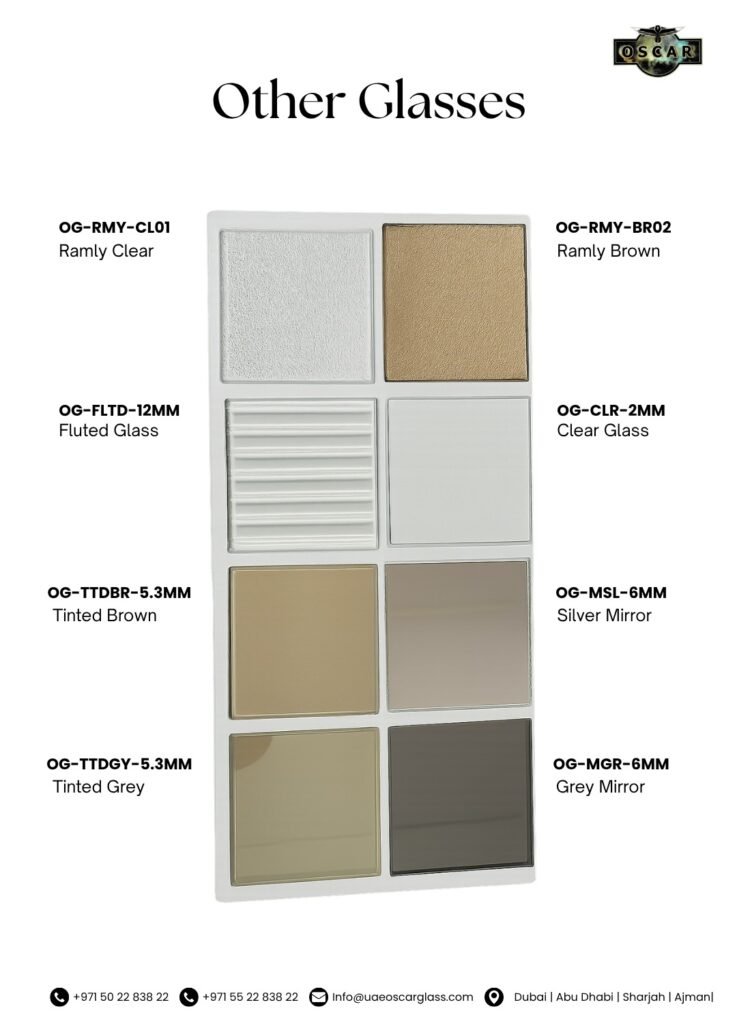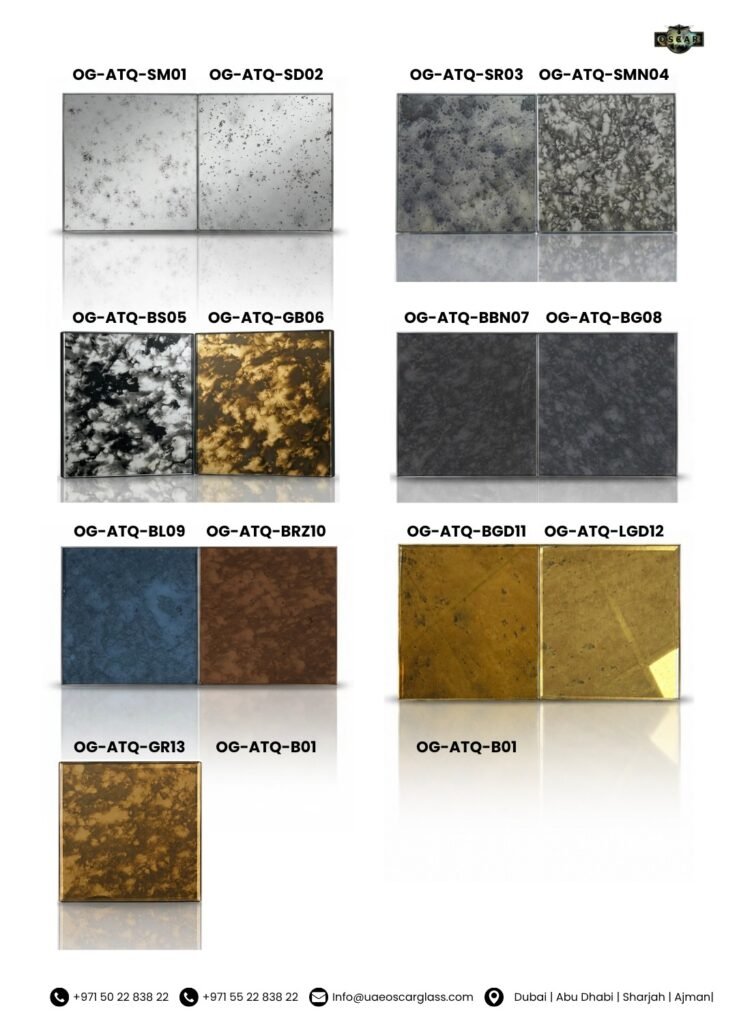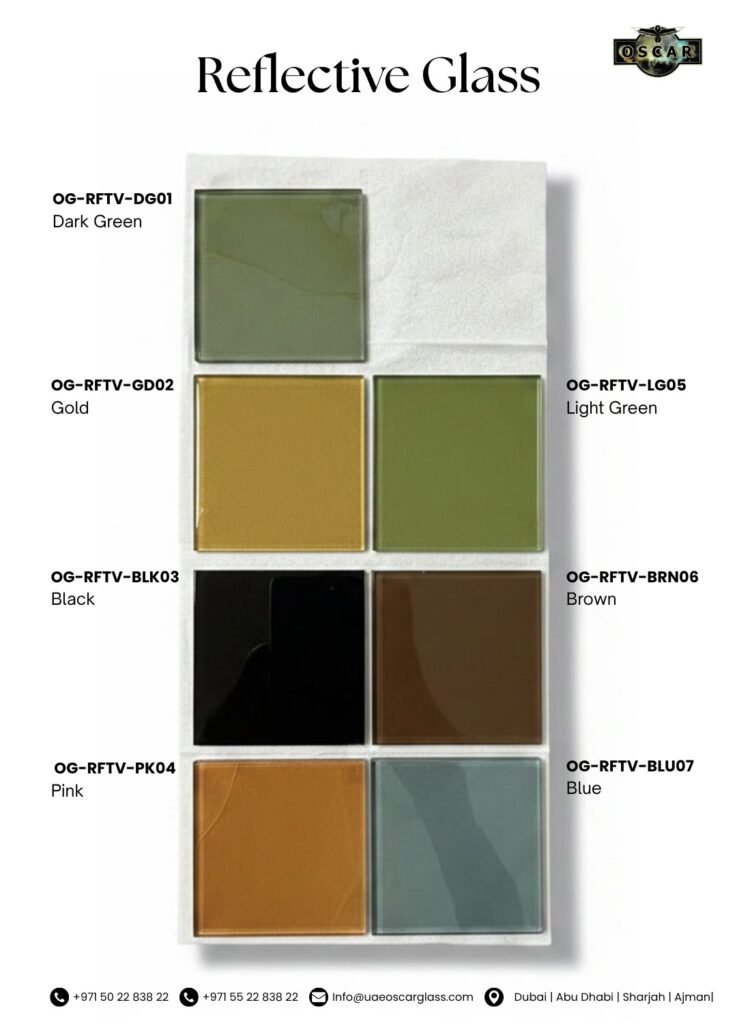

Glass has become one of the most important materials in modern architecture. From stunning skyscrapers and office buildings to luxury homes and retail spaces, architectural glass plays a crucial role in enhancing aesthetics, energy efficiency, and functionality. However, the quality of the final project depends heavily on choosing the right Architectural Glass Supplier.
Whether you are an architect, contractor, builder, property developer, or homeowner, partnering with a reliable supplier can make a significant difference in the success of your project. A trusted supplier provides high-quality products, technical expertise, customization options, and timely delivery.
In this comprehensive guide, we will explore everything you need to know about selecting an architectural glass supplier, the types of glass available, key benefits, industry trends, and factors to consider before making a decision.
What Is an Architectural Glass Supplier?
An Architectural Glass Supplier is a company that provides specialized glass products designed for construction and architectural applications. These suppliers serve residential, commercial, industrial, and institutional projects by offering a wide range of glass solutions.
Their responsibilities typically include:
- Manufacturing or sourcing high-quality glass products
- Providing custom glass fabrication
- Offering technical consultation
- Ensuring compliance with safety standards
- Delivering products on schedule
- Supporting architects and contractors throughout projects
A professional supplier acts as more than just a vendor—they become a valuable project partner.
The Growing Importance of Architectural Glass
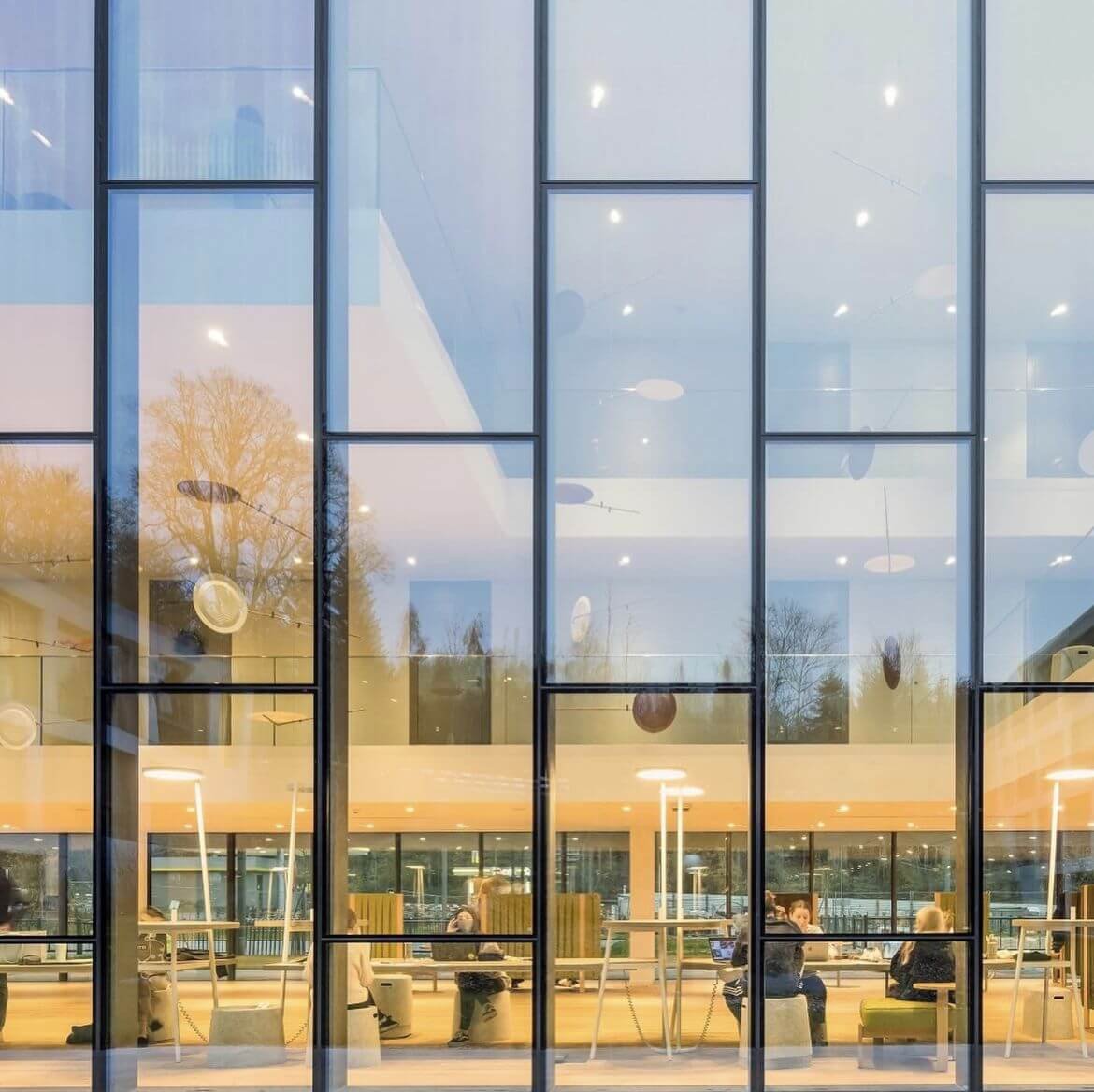
Modern architecture relies heavily on glass to create open, bright, and visually appealing spaces. Today’s buildings prioritize sustainability, natural lighting, and energy efficiency, making architectural glass a preferred material.
Why Glass Is Popular in Modern Construction
Glass offers numerous advantages:
- Enhances natural daylight
- Creates visually attractive designs
- Improves energy efficiency
- Provides excellent insulation
- Increases property value
- Supports sustainable building practices
As a result, demand for high-quality architectural glass continues to grow worldwide.
Types of Glass Offered by an Architectural Glass Supplier
A professional supplier offers various glass products to meet different project requirements.
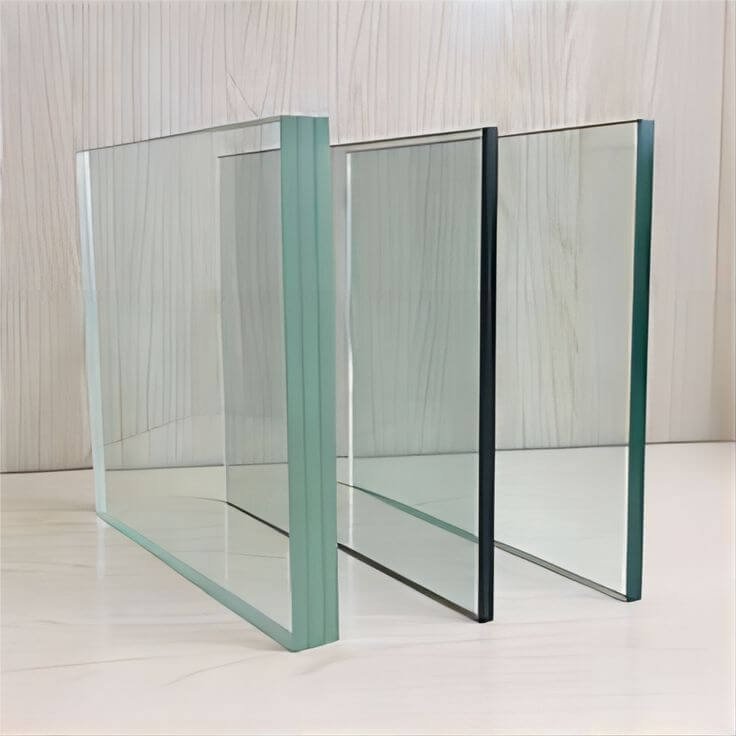
Tempered Glass
Tempered glass is heat-treated to improve strength and durability.
Benefits of Tempered Glass
- Four to five times stronger than standard glass
- Safer due to shatter-resistant properties
- Ideal for doors, windows, partitions, and facades
Laminated Glass
Laminated glass consists of multiple glass layers bonded together with an interlayer.
Key Advantages
- Enhanced safety
- Improved sound insulation
- Better UV protection
- Increased security
Insulated Glass Units (IGUs)
Insulated glass combines multiple panes separated by air or gas-filled spaces.
Features
- Superior thermal performance
- Reduced energy costs
- Improved indoor comfort
Low-E Glass
Low-emissivity glass contains a special coating that reflects heat.
Benefits
- Improved energy efficiency
- Reduced UV exposure
- Better indoor temperature control
Decorative Glass
Decorative glass adds beauty and uniqueness to architectural designs.
Examples include:
- Frosted glass
- Patterned glass
- Colored glass
- Etched glass
- Printed glass
Smart Glass
Smart glass technology allows users to control transparency electronically.
Applications include:
- Conference rooms
- Luxury homes
- Healthcare facilities
- Commercial buildings
Applications of Architectural Glass
An experienced Architectural Glass Supplier serves multiple industries and project types.
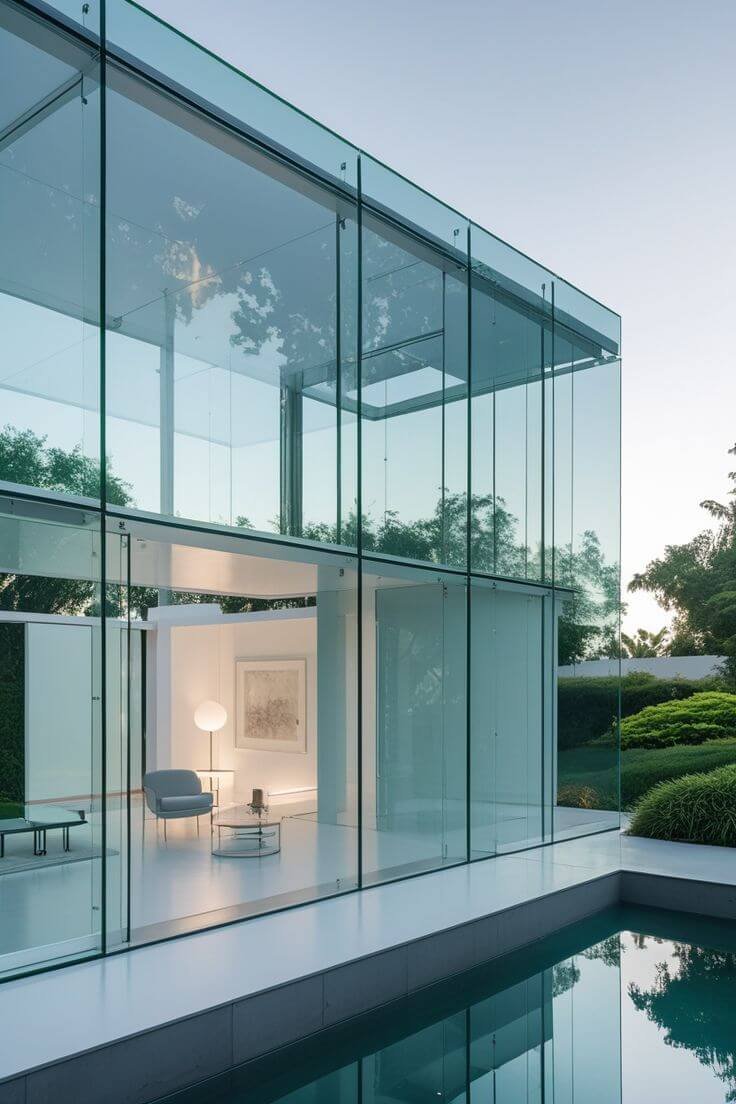
Commercial Buildings
Glass is widely used in:
- Office towers
- Shopping malls
- Hotels
- Restaurants
- Corporate headquarters
Benefits include:
- Professional appearance
- Natural lighting
- Energy efficiency
Residential Projects
Homeowners increasingly prefer architectural glass for:
- Windows
- Doors
- Balconies
- Shower enclosures
- Skylights
Educational Institutions
Schools and universities use architectural glass to create modern learning environments with enhanced natural light.
Healthcare Facilities
Hospitals and clinics benefit from glass through:
- Improved patient comfort
- Hygienic surfaces
- Enhanced visibility
Hospitality Industry
Hotels use architectural glass to create elegant and luxurious spaces that attract guests.
Qualities of a Reliable Architectural Glass Supplier
Choosing the right supplier is essential for achieving project success.
Product Quality
A reputable supplier should provide products that meet international standards and certifications.
Look for:
- High-quality raw materials
- Precision manufacturing
- Consistent performance
Industry Experience
Experienced suppliers understand complex project requirements and can offer valuable recommendations.
Customization Capabilities
Every project is unique. The best suppliers offer:
- Custom sizes
- Special coatings
- Decorative finishes
- Tailored fabrication
Technical Support
Professional suppliers provide expert guidance on:
- Glass selection
- Installation requirements
- Performance specifications
Timely Delivery
Construction projects operate on strict schedules. Reliable suppliers ensure on-time delivery and project coordination.
Benefits of Working With a Professional Architectural Glass Supplier
Partnering with an experienced supplier provides several advantages.
Improved Project Efficiency
Professional suppliers streamline procurement and reduce delays.
Better Design Flexibility
Custom glass solutions allow architects to bring creative concepts to life.
Enhanced Safety
Certified glass products improve building safety and regulatory compliance.
Long-Term Cost Savings
High-quality glass offers:
- Lower maintenance costs
- Improved durability
- Better energy efficiency
Sustainability Support
Many architectural glass products contribute to green building certifications and sustainability goals.
How to Choose the Best Architectural Glass Supplier
Selecting the right supplier requires careful evaluation.
Review Their Portfolio
Examine previous projects to assess expertise and quality.
Consider:
- Project size
- Design complexity
- Industry experience
Check Certifications
Ensure compliance with relevant standards and certifications.
Examples may include:
- ISO certifications
- Safety compliance standards
- Energy efficiency ratings
Evaluate Manufacturing Capabilities
Ask about:
- Production capacity
- Technology used
- Quality control processes
Assess Customer Support
Good communication is essential throughout the project lifecycle.
Compare Pricing
While cost matters, quality should remain the top priority.
Remember:
The cheapest option may not provide the best long-term value.
Architectural Glass Trends Shaping the Industry
The architectural glass industry continues to evolve with technological advancements.
Energy-Efficient Glass Solutions
Sustainability remains a major focus in modern construction.
Popular options include:
- Low-E glass
- Solar control glass
- Triple-glazed systems
Smart Glass Technology
Smart glass is becoming increasingly common in commercial and residential projects.
Benefits include:
- Privacy control
- Energy savings
- Modern aesthetics
Large-Format Glass Panels
Architects are increasingly using larger glass panels to create seamless views and open spaces.
Bird-Friendly Glass
Innovative designs help reduce bird collisions while maintaining architectural appeal.
Sustainable Manufacturing
Manufacturers are adopting environmentally friendly production processes to reduce carbon emissions.
Common Challenges and How Suppliers Solve Them
Construction projects often encounter challenges involving glass selection and installation.
Challenge 1: Energy Efficiency Requirements
Solution:
Professional suppliers recommend high-performance glass systems designed for climate-specific conditions.
Challenge 2: Safety Compliance
Solution:
Certified tempered and laminated glass products ensure compliance with building regulations.
Challenge 3: Custom Design Requirements
Solution:
Advanced fabrication capabilities enable suppliers to produce unique glass solutions.
Challenge 4: Tight Deadlines
Solution:
Efficient production and logistics systems help suppliers meet demanding project schedules.
The Role of Architectural Glass in Sustainable Buildings
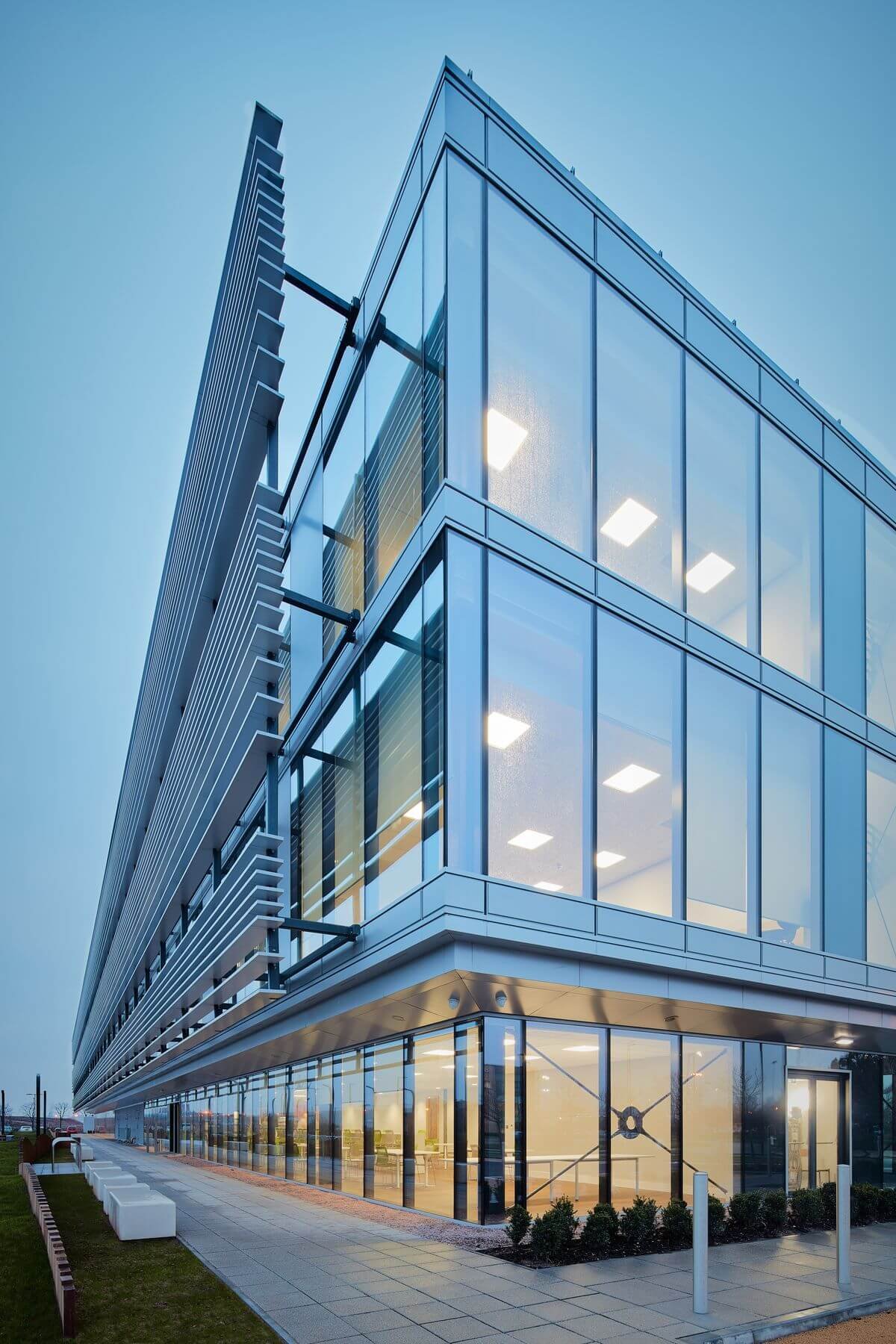
Green building practices have increased demand for energy-efficient glass products.
Reducing Energy Consumption
Modern glass technologies help regulate indoor temperatures, reducing heating and cooling costs.
Increasing Natural Light
Architectural glass maximizes daylight penetration, decreasing reliance on artificial lighting.
Supporting Green Certifications
High-performance glass contributes to certifications such as:
- LEED
- BREEAM
- WELL Building Standard
Lower Environmental Impact
Sustainable manufacturing methods reduce waste and environmental footprint.
Questions to Ask Before Hiring an Architectural Glass Supplier
Before selecting a supplier, ask these important questions:
- How many years of experience do you have?
- Do you provide custom fabrication services?
- What certifications do your products meet?
- Can you provide project references?
- What is your average delivery timeline?
- Do you offer technical support?
- What warranty options are available?
- How do you ensure product quality?
The answers will help determine whether the supplier is a suitable fit for your project.
Why Long-Term Supplier Relationships Matter
Many successful contractors and architects maintain long-term partnerships with trusted suppliers.
Benefits include:
- Consistent product quality
- Better pricing opportunities
- Faster project execution
- Reliable technical support
- Stronger collaboration
A dependable supplier becomes a strategic business partner rather than simply a material provider.
Future of the Architectural Glass Industry
The future of architectural glass looks promising as innovation continues to transform the construction sector.
Emerging developments include:
- Self-cleaning glass
- Dynamic smart glass
- Advanced thermal coatings
- Solar-integrated glass
- AI-assisted manufacturing
These innovations will continue improving energy efficiency, sustainability, and building performance.
Conclusion
Choosing the right Architectural Glass Supplier is one of the most important decisions for any construction or renovation project. A trusted supplier provides premium-quality products, technical expertise, customization options, and dependable support that contribute directly to project success.
As architectural trends continue to emphasize sustainability, energy efficiency, and modern aesthetics, the role of professional glass suppliers becomes even more critical. By evaluating product quality, experience, certifications, and customer service, you can confidently select a supplier that aligns with your project goals.
If you’re planning a residential, commercial, or industrial project, start by partnering with a reputable Architectural Glass Supplier that delivers innovative solutions, exceptional quality, and long-term value. Contact a trusted supplier today and take the first step toward creating stunning, high-performance architectural spaces.